
WETSUIT BUYING GUIDE

Looking to dive into your next adventure? If you’re heading for the wet stuff, a wetsuit can make all the difference when it comes to pushing the limits of what’s possible in water. But how do they actually work and what type should you go for? It’s true, wetsuits can be a tricky business, but the key is finding one that works for you. How so? By thinking carefully about how and when you want to use it. Then you can start to narrow things down a bit based on things like fit, style, thickness and construction.
Our expert guide is your all-you-need-to-know lowdown about how they work and the key things to consider when choosing. Read on to discover how to find the right one and level-up your next water-bound adventure.
How do wetsuits work?
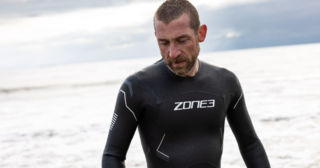
Simply put, wetsuits exist to keep you warm in the water. Most are made using a synthetic rubber called neoprene, that has very tiny holes in it that allow water in but not out. Because water is a great insulator and conductor of heat, the wetsuit works by trapping a thin layer of water between your skin and the neoprene, which is then subsequently warmed by the natural heat from your body. Alongside the suit itself, this warm, thin layer acts as an extra layer of insulation, keeping your body temperature up.
Wetsuits also give you extra manoeuvrability in the water because their tight fit is like a second skin, reducing drag and adding buoyancy. You’ll feel more athletic and smoother in your movements when wearing one. If your adventure bucket list includes open water swims, catching some waves, or just generally spending a good chunk of time in the wet stuff, a wetsuit is a must-have addition to your adventure set-up.
Things to think about when choosing a wetsuit
Wetsuits come in different shapes, sizes and thicknesses, designed to perform better depending on the activity you’re doing and the conditions. Before you just go and buy any old wetsuit, think about when, where and for what activities you intend to use it. Here are some factors you’ll want to consider:
Fit
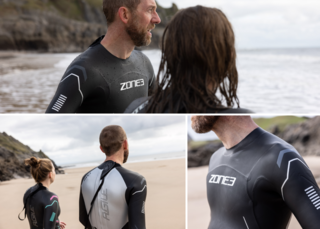
Whatever you use your wetsuit for, the single most important thing to get right is the fit – which should feel snug and tight all over. If there’s excess material in places like the neck and cuffs, it’s going to constantly let water in and negate all its insulating properties. Wetsuits do not conform to the trends of 90s fashion! If they feel loose and baggy, you might as well not bother. With that in mind don’t be too taken aback by the tightness of a wetsuit when you first put it on - even if it feels a bit of a struggle to do so! Sure, it might feel a little snug at first, but this is how it should feel when dry. Finally, wetsuits can differ slightly in size and shape for men, women and children. Whatever your body shape, the trick is to keep trying until you find the one that is the right fit for you.
Cut and thickness
Think about what activities you want to do. Where you want to do them and at what time of year? Are you just a summer adrenaline junkie when it comes to getting wet? Or are you planning to make your relationship with the water a more year-round affair? Water temperature is one of the primary factors to think about when it comes to choosing the right cut and thickness for your wetsuit.
- Shortie wetsuits cover your torso, upper arms and thighs. This allows for less restricted movement and more flexibility and comfort in the water. If your water-bound adventures take place solely in the summer, you’ll love the comfort, freedom and flexibility of a shortie, along with just the right level of warmth.
- Full length wetsuits cover your whole body apart from your head, hands, and feet. They’re generally thicker than shorties making them more suitable for colder conditions. If you’re intending to brave the water beyond the summer months, or in areas with cooler water temperatures, they are a savvy choice. Or if you just want the feel and added protection of more body coverage, or some extra warmth, there’s nothing stopping you going full coverage.
- Wetsuit thickness usually varies between 3-5mm and determines how much warmth they give you in the water. The thicker the neoprene, the warmer the suit. Wetsuits have two thickness sizes (such as 3/2mm or 4/3mm). The first number refers to the neoprene thickness around the main torso, which ensures your core is kept warm. The second, lower number refers to the thickness around areas like the arms and knees, or anywhere which requires greater movement and flexibility.
Average sea temperatures in the UK can range from as high as 15-20C in the summer and 6-10C in the winter depending on location. As a guide, 3/2mm thickness is your go-to for summer temperatures. 4/3mm thickness will generally see you right from spring to autumn. 5/4mm or thicker is a must-have for winter. But again, make personal choice your key motivator. If you feel the cold, there’s nothing wrong with going for a thicker, full-length wetsuit for summer if that’s what’s going to get you in the water.
Zip or no zip?
Zips and stitching create holes in the neoprene meaning that all important thin, warm insulated layer gets negated as colder water gets into the wetsuit. So having the right stitching and zips are important factors in your suit’s performance. You’ll usually find three types of zip construction on most wetsuits:
- Back zip wetsuits have a zip leading from the base of the spine to the back of the collar. On the plus side, this creates a large opening making getting in and out a whole lot easier. On the downside, back zip wetsuits often have slightly reduced flexibility and a looser collar, meaning more water can potentially flush through, which you’ll definitely notice on colder days.
- Chest zip wetsuits have a flap and zip across the chest. These suits have a smaller opening than back zip designs, improving flexibility and giving a tighter seal around the body, keeping you warmer in colder water. This makes them a popular choice despite them being a bit more of a challenge to get into - which involves entering through the top of the wetsuit, pulling the flap over your head, and then fastening the chest zip to secure the fit. But what you lose in time getting it on, you definitely make back when it comes to extra comfort and warmth.
- Zip free wetsuits are the most comfortable and flexible out there. Having no zip on the wetsuit makes it lighter and more watertight, but they tend to be a pricier option. Their overhead design is similar to the chest zip, but instead of fastening a zip you tighten a cord, which helps increase the warmth of the suit and reduce the level of water flush.
Seams and stitching
Any stitching on a wetsuit involves making holes in the neoprene as a thread has to pass through it. These holes let water in, so the type of stitching is important when considering how warm and strong your wetsuit needs to be. Here are the common types of stitching used in wetsuit construction:
- Overlock stitching is the simplest way of joining two panels of neoprene, but the least effective at keeping water out. This stitching method is usually found is summer wetsuits or cheaper wetsuits. The two edges of the panels are rolled together and then stitched to hold them in place. It offers less flexibility of the seam and can leave a bulge on the inside of the wetsuit, which can be uncomfortable and result in chafing.
- Flat lock stitching is the overlapping of two pieces of neoprene and then stitching the seam together. The hole left by this zigzag stitching method makes them more breathable and cooler to wear, making them great for summer use but less so for colder water temperatures.
- Glued and blind stitched (GBS) wetsuits are higher quality. Neoprene segments are glued together and then stitched halfway through the material to make the seam as watertight as possible. Because the stitching doesn't go all the way through the wetsuit and leave any holes, the amount of water let in is kept to a minimum. Remember, the less water that enters the wetsuit and stays trapped inside, the warmer your body will remain which is crucial for winter wetsuits.
- Welded seams are generally found on higher-end wetsuits. They use a silicon-based watertight seal to join the neoprene panels together, making a 100% waterproof barrier. This is possible because a welded seam doesn't make any holes in the neoprene, so water cannot leak through. As a result, you keep warmer whilst also benefiting from added durability and flexibility compared to a GBS seam.
Looking after your wetsuit
Whilst finding the right wetsuit is paramount, looking after it should be high on your to-do list too. Treat your wetsuit right and it will perform better, for longer and keep you on top of your game for many years to come. Just follow these steps to get the most out of your time together:
- Be gentle with your wetsuit. The tight fit can make the whole operation of putting it on a bit of a tricky one. But yanking your suit on isn’t going to help. Try to avoid putting undue stress on the seams and zips. Slow and smooth is the way to go. Start at the bottom with your feet and slowly work your way up in stages, rolling the suit up as you go. It’s a similar story when it comes to taking it off, just in reverse. As before, take your time. Try not to pull too much on the suit if it’s being stubborn. No one wants torn neoprene, blown seams and a costly repair.
- Once it is off, turn it inside out to dry. As soon as you can, rinse out any saltwater with cold, clean, fresh water. This will help preserve the seams as well as the performance and elasticity of the neoprene.
- Once clean, leave your suit to air dry inside out. Make sure you keep it out of direct sunlight otherwise the neoprene may dry out. Whilst it’s still wet, rather than hang it by the shoulders, hang it by the waist using a large plastic coat hanger or a washing line to avoid damaging the shoulders. Golden rule - never wash or dry your wetsuit in a washing machine or tumble dryer. This is a sure-fire way of saying a premature goodbye to your wetsuit.
- Once it’s fully dry, store your wetsuit somewhere away from direct sunlight that is cool and dry. A large, wide non-metal hanger that supports the shoulders properly is ideal. Don’t be tempted to store it away whilst it’s still wet. This will lead to mould forming on it, or it becoming stretched out when hung. And no one wants that look when the time comes to take on your next water-bound adventure.
Related articles

Let us know you agree to cookies
We use marketing, analytical and functional cookies as well as similar technologies to give you the best experience. Third parties, including social media platforms, often place tracking cookies on our site to show you personalised adverts outside of our website.
We store your cookie preferences for two years and you can edit your preferences via ‘manage cookies’ or through the cookie policy at the bottom of every page. For more information, please see our cookie policy.